
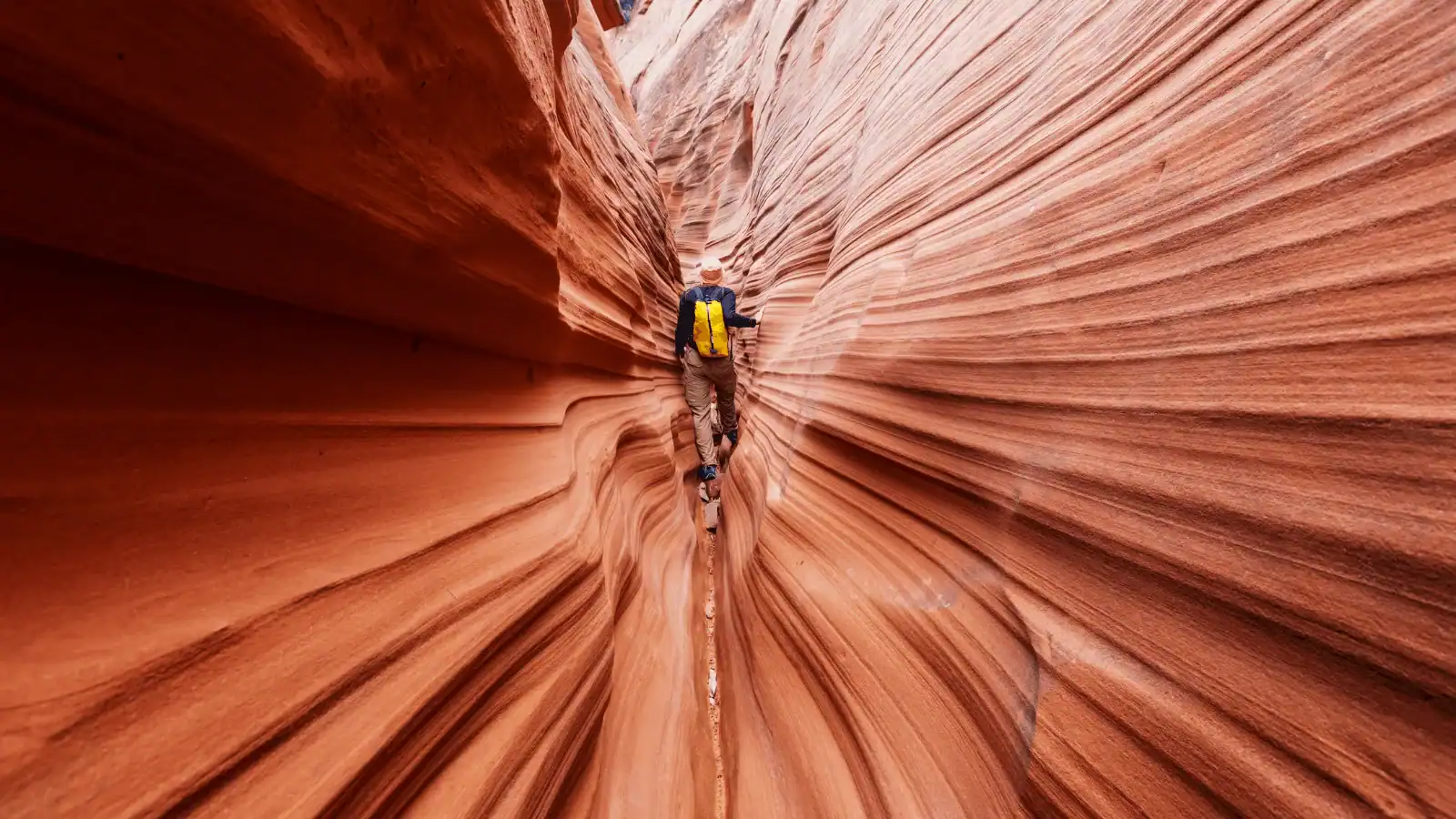
Utah Canyoneering Guide: Zion vs. Moab vs. Escalante (Which Region Is Right for You?)
If you’ve typed “Utah canyoneering” into a search bar, you’ve probably already discovered the problem: Utah is enormous, and it is home to more slot canyons than any other state in the country. Zion, Moab, Escalante, the San Rafael Swell, Robbers Roost, Cedar Mesa. All of them show up when you start researching, and most articles never actually tell you which one matches what you’re looking for.
We’ve been guiding canyoneering trips out of Moab since 2005, so we’re going to be upfront about our bias. But we’ve also fielded thousands of phone calls from guests trying to decide between Moab and Zion for their trip, so we know the real questions people are asking. This guide breaks down Utah’s major canyoneering regions honestly, including where Moab is the better call and where it isn’t.
Quick Answer: Which Utah Canyoneering Region Fits You?
| If you want… | Best region |
|---|---|
| No permit lottery, book a trip this week | Moab |
| The single most famous slot canyons, including The Narrows and The Subway | Zion |
| A family trip with kids as young as 8 | Moab |
| Long, deep, narrow “true slot” canyons | Zion or Escalante |
| Big free-hanging rappels off natural arches | Moab |
| Remote, multi-day backcountry canyons | Escalante or Robbers Roost |
| A trip you can pair with rafting and rock climbing in one town | Moab |
Utah Canyoneering by Region
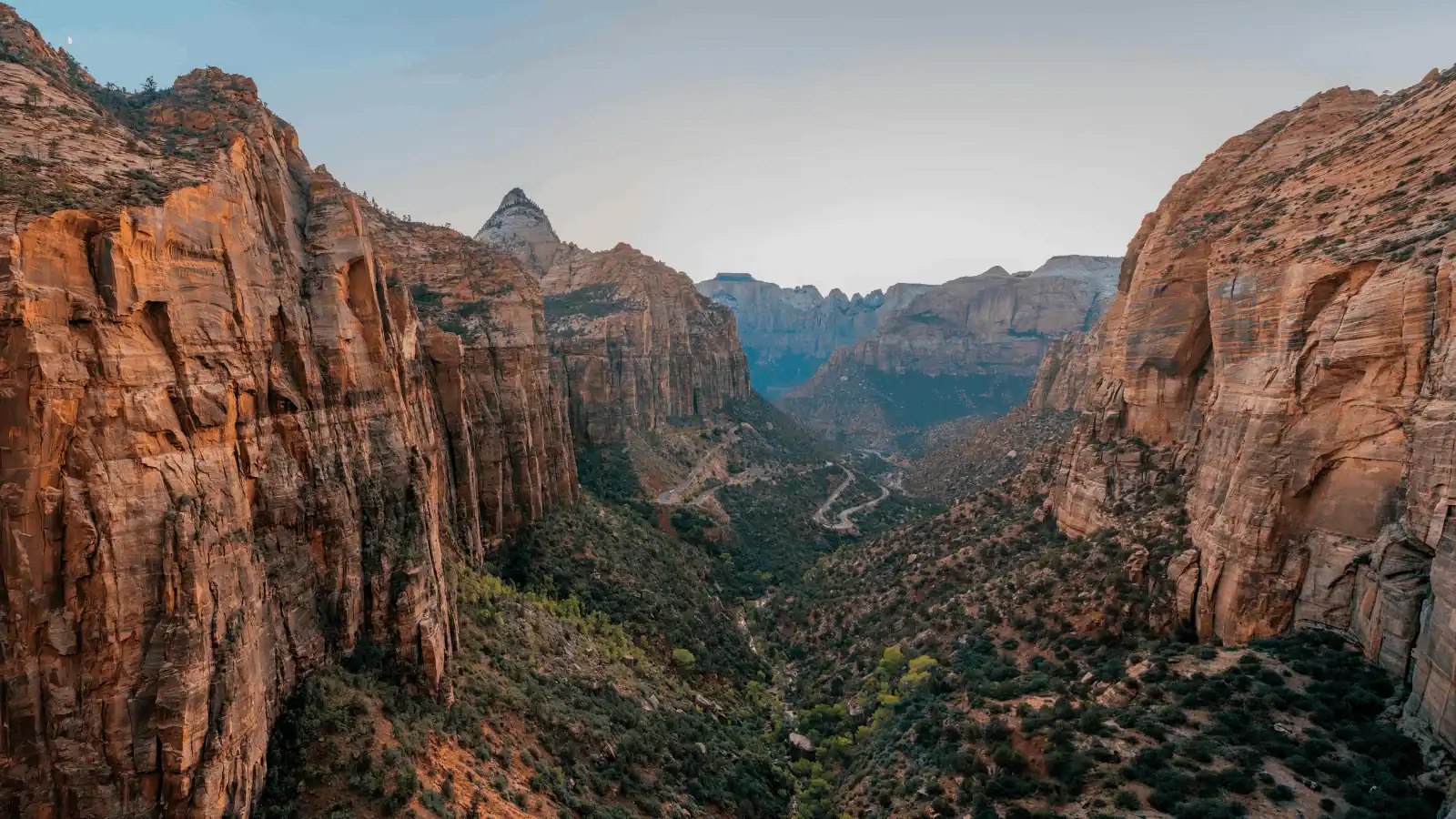
Zion National Park and Kanab
Zion is where American canyoneering essentially grew up, and it’s the reason most people search “Utah canyoneering” in the first place. The park’s technical canyons, like the Left Fork (better known as The Subway) and Mystery Canyon, can involve rappelling, swimming, route finding, and navigating extremely narrow slots. The National Park Service describes canyoneering in Zion as a combination of route finding, rappelling, problem solving, swimming, and hiking, with routes ranging from beginner-friendly outings to advanced technical canyons.
The catch is access. Wilderness permits are required for technical canyons that require descending gear or ropes, as well as all trips into The Subway and top-down trips through The Narrows. The Subway and Mystery Canyon use seasonal lotteries, while other technical canyons offer advance reservations. A daily lottery is also available for last-minute openings.
Commercial guiding is another important difference. Structured and guided activities are prohibited within Zion Wilderness, so guide companies around Kanab and Springdale generally offer canyoneering trips outside the park’s Wilderness areas instead.
Zion is the right call if the specific canyon is the whole point of the trip and you’re willing to plan around the permit system.
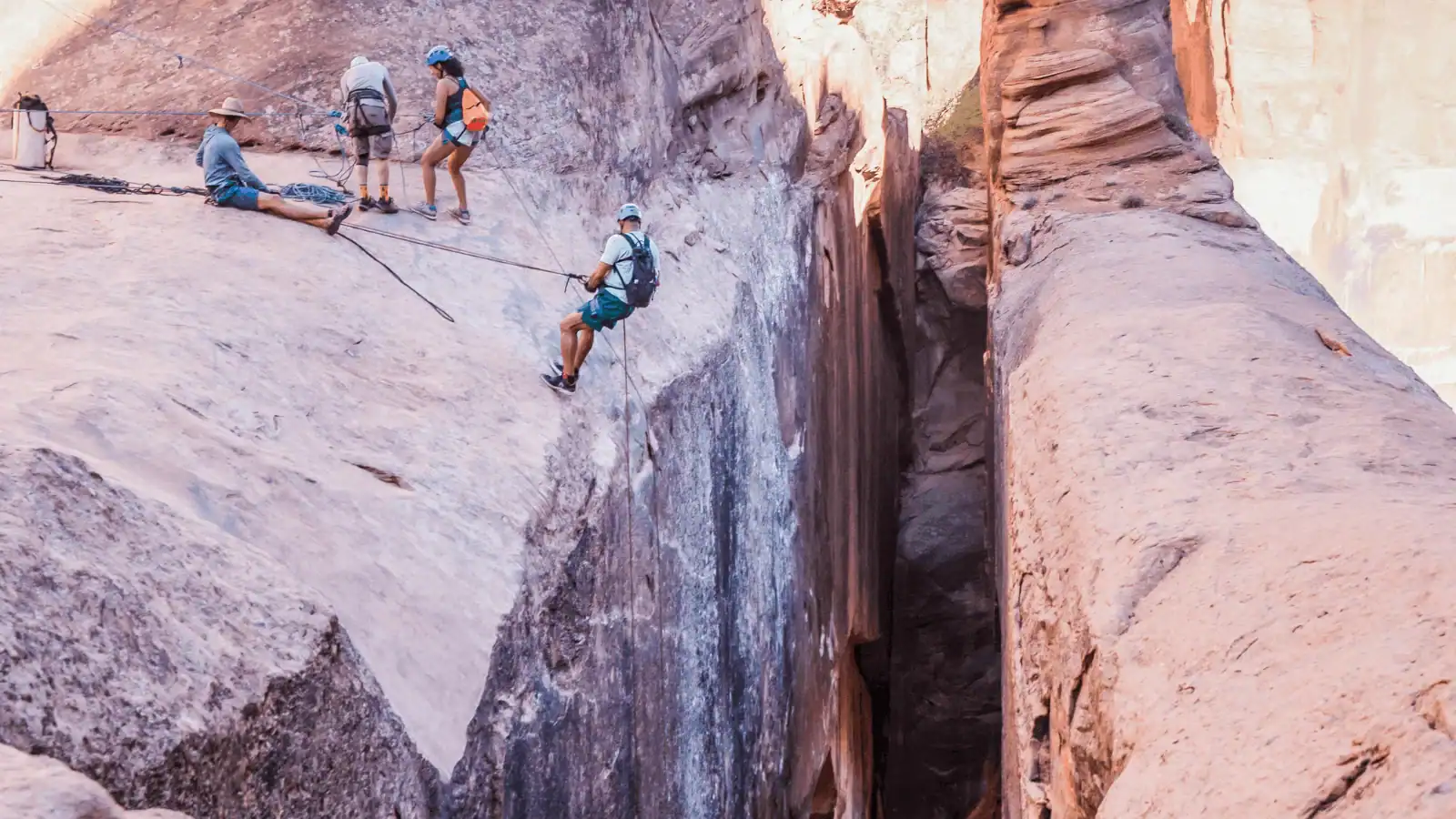
Moab
Moab’s canyons sit primarily on Bureau of Land Management land, not inside a national park, which changes the entire logistics picture. Licensed outfitters (we’re one of them) carry BLM commercial permits to guide the canyons, and your group generally doesn’t need to enter a personal lottery or hold a wilderness permit the way you would for Zion’s technical canyons. You can often book a Moab canyoneering trip a few days out instead of a few months out.
The canyons themselves also have a different character. Rather than long, dark, water-filled slots, Moab’s canyoneering routes tend to feature open sandstone canyons with dramatic free-hanging rappels, some off natural stone arches. Our Bow and Arrow Canyon trip includes a 110-foot, mostly free-hanging rappel, dinosaur tracks and petroglyphs, and our Medieval Chamber route drops guests past the well-known Morning Glory Arch. It’s a different kind of dramatic than Zion’s narrows: more sky, more red rock, more big open-air rappels.
Moab is also one of the few places in Utah where canyoneering, rafting, and rock climbing all exist within a fifteen-minute drive of the same town, which is a big reason families and multi-activity groups gravitate here.
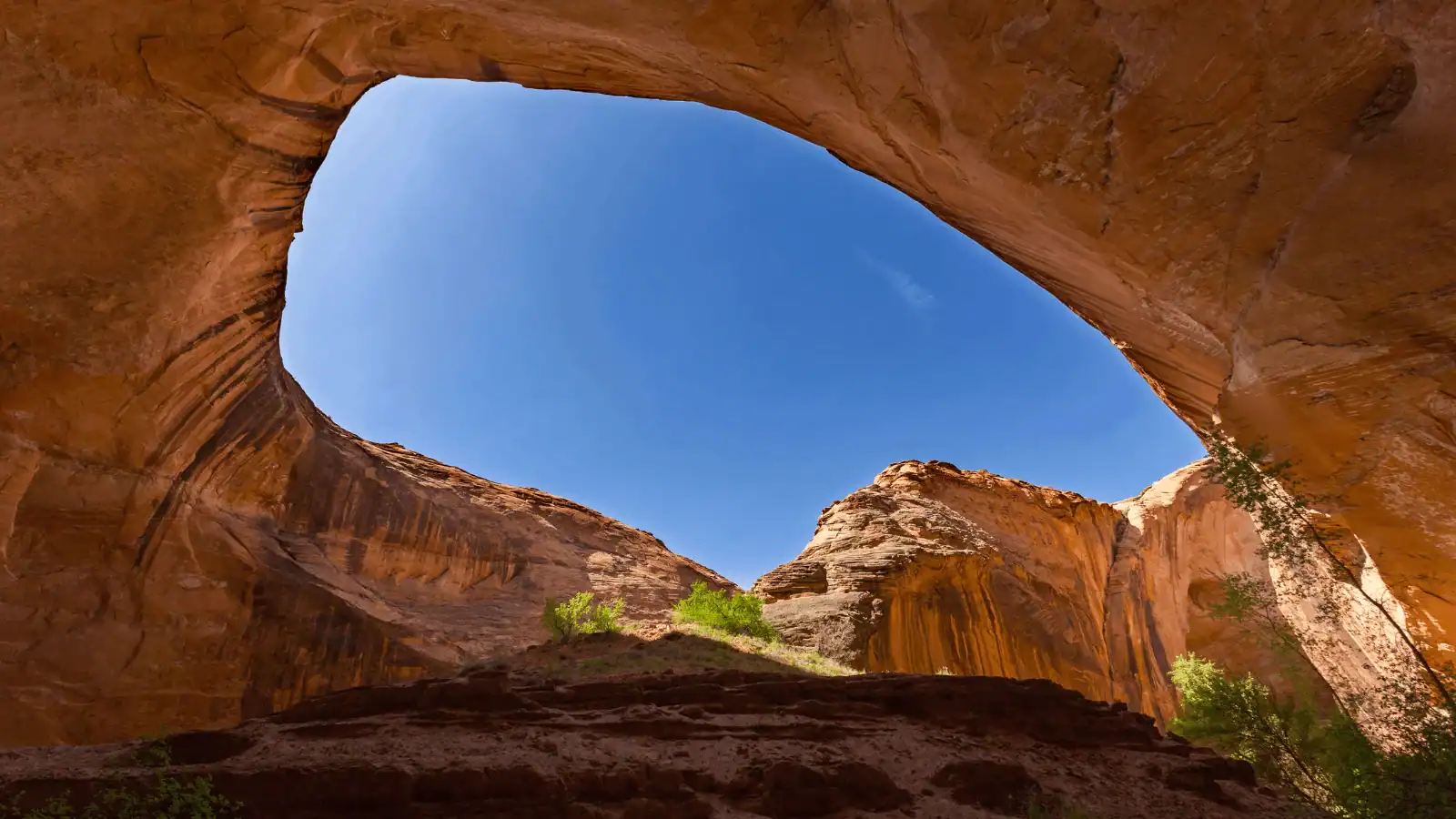
Escalante and Grand Staircase
The Grand Staircase-Escalante region is where serious canyoneers go for remote, less-trafficked slots like Choprock, Neon Canyon, and Coyote Gulch. Many routes involve long approaches and backcountry travel, and self-rescue is a real consideration since help can be hours away.
The Bureau of Land Management’s Utah recreation resources are a useful starting point for understanding the terrain. For example, BLM describes Coyote Gulch as an 8- to 12-hour route and recommends experience and navigation skills for the area. BLM also warns that flash floods are a constant canyon hazard and that conditions can change quickly.
This is a phenomenal region for experienced canyoneers with their own gear and navigation skills, and a tough one for first-timers or families without a guide who knows the terrain intimately.
San Rafael Swell, Robbers Roost, and Cedar Mesa
These central and southeastern Utah regions round out the state’s canyoneering map. The San Rafael Swell is home to family-friendly, non-technical routes like Little Wild Horse and Bell Canyons, alongside more technical adventures elsewhere in the region. BLM describes Little Wild Horse and Bell as narrow slot canyons requiring some scrambling and squeezing through tight sections.
Robbers Roost offers remote, dry canyons with long approaches and exits, rewarding canyoneers who prioritize solitude over convenience.
Cedar Mesa brings something different to the mix. The area contains an extraordinary concentration of ancestral cultural sites, including rock art, ancient cliff dwellings, and other archaeological resources. The BLM Cedar Mesa Trip Planner is a helpful resource for anyone planning to explore this part of Bears Ears National Monument.
All three regions generally appeal most to canyoneers who are comfortable with more remote backcountry travel, since commercial guiding options are more limited than around Moab and Zion.
So Which One Should You Actually Pick?
If you’re canyoneering-obsessed and building an entire Utah road trip around slot canyons, the honest answer is that you’ll want to see more than one region. But if you’re choosing a single home base for a trip, ask yourself these questions:
Are you traveling with kids or first-timers? Moab’s shorter hikes and guided rappels (with a backup rope on every single one) make it the easier region to introduce someone to the sport. Our Entrajo Canyon trip is built specifically as a beginner’s first canyon, with a 12-foot rappel to start and an optional 70-foot rappel for anyone who wants more.
Do you have flexible dates or a fixed trip window? If you’re locked into specific travel dates, Moab removes the permit-lottery risk that comes with Zion’s most sought-after lottery routes.
Do you want one activity or several? Moab lets you canyoneer in the morning and raft the Colorado River or rock climb in Indian Creek on the same trip. Zion and Escalante are more single-purpose destinations.
Are you an experienced canyoneer looking for a physical, all-day mission? Our Rock of Ages (Pool Arch) route is our longest trip at six hours, with three rappels, a tight slot, and scrambling spread across six rugged miles. It’s a serious day out, guided by Moab’s best guides, without needing to navigate a permit lottery to book it.
Ready to Explore Moab’s Canyons?
We’ve been guiding canyoneering trips in Moab since 2005, with every rappel backed up by a separate safety system and all technical gear included. See our four guided canyoneering routes and find the one that matches your group.
Frequently Asked Questions
Is Moab or Zion better for canyoneering?
Neither is objectively better. Zion has some of the country’s most famous individual canyons, but technical routes require permits, with The Subway and Mystery Canyon using seasonal lotteries. Moab has easier logistics, guide availability, and beginner- and family-friendly routes, with a different scenic character built around open canyons and arch rappels rather than deep narrows.
Can beginners go canyoneering in Utah?
Yes, especially in Moab, where guided trips are built for people with zero prior experience. Kids as young as 8 can join select routes, and every rappel is backed up by a second safety system controlled by the guide.
Do I need a permit to go canyoneering in Utah?
It depends entirely on the region. Zion National Park requires Wilderness permits for all canyons requiring descending gear or ropes, all trips into The Subway, and top-down trips through The Narrows. Moab’s canyons generally sit on BLM land, and guided trips through a licensed outfitter typically don’t require guests to hold an individual permit. We cover this in detail in our companion guide to canyoneering permits across Utah.
What’s the best region for a family canyoneering trip?
Moab. Shorter hikes, shorter drive times from town, and family-friendly routes like Medieval Chamber and Entrajo Canyon make it an approachable option for families.